


Think of the kimono from Japan—its elegant lines and intricate patterns have captivated fashion lovers worldwide. It’s like wearing a piece of art! Designers often draw inspiration from its style, integrating those flowing silhouettes into their collections. How about the colorful patterns and bold designs of African textiles? These vibrant motifs tell stories and celebrate heritage, and they’ve made a splash on runways in Paris and Milan!
Then there’s the impact of Indian attire, particularly the sari. This graceful garment isn’t just beautiful; it’s a symbol of identity and tradition. Its versatility lets it transcend borders, with various forms of draping inspiring contemporary designers to create new styles that echo its classic elegance.
Let’s not forget about Western influence! The classic white tee and denim combo, rooted in American culture, has become a staple around the world. It’s as universal as a warm smile—easy to wear and connects people across cultures.
And speaking of connection, take the global embrace of streetwear. Born from urban subcultures, streetwear draws from a myriad of influences, making its way from city sidewalks to the catwalk. It blurs the lines between comfort and style, inviting everyone to express themselves without conforming to traditional fashion norms.
So, when you put on your clothes each day, remember they might carry whispers of stories from cultures far and wide. Isn’t it incredible how fashion can connect us all?
Threads of Heritage: How Global Fashion is Shaped by Cultural Traditions
Take, for example, the intricate patterns of a Mexican huipil. These humble yet breathtaking blouses are not simply clothing; they embody centuries of tradition, often depicting ancestral stories and local flora. Or think about the elegant silhouettes of an Indian sari, gracefully draping around the body while showcasing a kaleidoscope of regional designs. It’s like wearing a piece of art that celebrates identity and history.
Fashion designers today are not just creators; they’re storytellers who dive deep into these cultural traditions, mixing contemporary aesthetics with timeless elements. Ever heard of “slow fashion”? It’s all about respecting those roots, favoring quality and authenticity over mass production. This trend revives the notion that clothing can be an expression of who we are, connecting us to our past and to each other.
As we scroll through social media, we can’t help but notice how styles from around the globe inspire and influence one another. The vibrant colors of African textiles meet the clean lines of Scandinavian design, creating a fusion that’s as exciting as a dance party where every culture brings its own unique moves.
By embracing these threads of heritage, global fashion becomes a melting pot of creativity—an ever-evolving celebration of humanity. So next time you slip into something stylish, remember: you might just be wearing a piece of someone’s story, a cultural legacy stitched beautifully into the fabric of your life.
From Kimono to Couture: The Enduring Influence of Traditional Attire on Modern Fashion

Moreover, the bold prints and colors traditionally found in kimonos are popping up everywhere, from casual streetwear to high-end couture. Designers are using these motifs to add a layer of depth to their creations, making clothes feel less ordinary and more extraordinary. It’s like introducing a secret ingredient that transforms a simple recipe into a gourmet meal.
The way fashion cycles influences trends—remember the 90s? Now, we’re seeing the rich textures and artistic craftsmanship of kimonos inspire young designers who create thought-provoking collections based on cultural authenticity and respect. They’re not just fabric; they’re a conversation starter.
So next time you slip into a trendy outfit, keep an eye out for those subtle nods to traditional attire. The influence is everywhere, gently reminding us of the stories woven into the fabric of our fashion-forward lives. Isn’t it marvelous how past and present can dance together so beautifully?
Weaving the World Together: Cultural Fashion Traditions that Inspire Designers Everywhere
Ever noticed how a bold African print can transform a simple dress into a statement piece? That’s the magic of cultural fashion traditions! Each fabric tells a story, from the intricate patterns of Japanese kimono silk to the rich hues of Indian saris. These designs aren’t just beautiful; they carry centuries of heritage and emotions, connecting us to the past while inspiring the future. Isn’t it incredible how a single piece of clothing can speak volumes about identity and history?
Take a moment to think about it: when we embrace these traditions, we’re not just borrowing aesthetics; we’re paying homage to diverse cultures. Designers worldwide are constantly inspired by these unique styles. A Parisian designer might find inspiration in the handwoven textiles of Guatemala, crafting a collection that blends modern chic with a touch of traditional craft. It’s like mixing a classic recipe with new flavors; the result is a deliciously fresh take on fashion.
Beyond Borders: The Cultural Fashion Styles Making Waves on the Global Stage
Think about it: each region has its unique flair. The bold prints of African kente cloth, the delicate embroidery of Indian sarees, and the minimalistic elegance of Japanese kimonos—they all whisper tales of history and identity. When worn, they don’t just adorn the body; they wrap around you like a warm hug, connecting you to a broader cultural narrative. Have you ever noticed how a vibrant Mexican huipil can brighten your mood or how the flowing silhouettes of Middle Eastern kaftans exude effortless grace? That’s the power of cultural clothing.
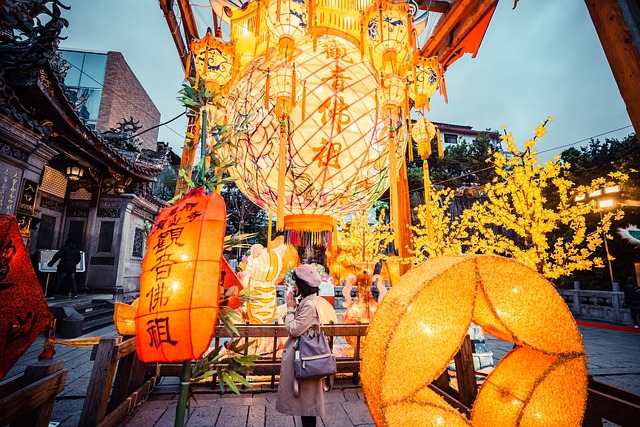
Fashion’s Cultural Kaleidoscope: Exploring the Traditions that Define Global Trends
Take the classic peacoat, for instance. It hails from the naval traditions of Europe but has been transformed by streetwear trends into a symbol of urban cool. Isn’t it amazing how something shaped by sailors has drifted into our everyday wardrobes? Or think about textiles. From the intricate patterns of Maasai shuka in Kenya to the vibrant prints of Indian saris, every stitch tells a tale of identity and heritage. When you wear these pieces, you’re not just showcasing a look; you’re showcasing a legacy.
Cultural symbols often marry with contemporary design in ways that inspire innovation. Just think of how African prints have taken the fashion industry by storm, infusing modern silhouettes with ancestral designs. Colorful and bold, these fabrics have made their way from traditional ceremonies to catwalks across the globe, proving that history has a knack for reinventing itself.
Cultural Crossroads: The Impact of Indigenous Fashion Traditions on Contemporary Styles
Indigenous fashion is like a painter’s palette, filled with colors and patterns that express identity, heritage, and community. When today’s designers draw from these rich traditions, they’re not just borrowing; they’re paying homage. It’s akin to a musical remix, where the original notes provide the base but the new beat breathes fresh life into the sound. You can see this influence from the runways of New York to casual streetwear, where traditional motifs meet contemporary silhouettes, creating something truly unique.
Take, for instance, the use of specific materials that Indigenous artisans have perfected over generations. Imagine the soft touch of hand-woven textiles, each stitch infused with meaning. Designers today are reinterpreting these elements, creating sustainable fashion that doesn’t just look good but feels good, too. It’s like wrapping yourself in a piece of history, where every item has a story to tell.
Chic and Cultural: How Traditional Garments Are Redefining Global Fashion Norms
Traditional outfits from various cultures are weaving their way into contemporary fashion, creating a melange that’s both chic and meaningful. Take the Japanese kimono, for instance; its flowing lines and rich patterns resonate with elegance and artistry. Pair it with modern accessories, and you’ve got a showstopper that’s both timeless and relevant. It’s like blending coffee with fine chocolate—each sip richer for the combination.
And let’s not forget the vibrant patterns of African kente cloth or the intricate hand-embroidery of Indian sarees. These garments offer more than just aesthetics; they encapsulate histories and celebrate identities. Wearing them isn’t just a fashion statement; it’s like wearing a conversation starter that invites curiosity about the stories tied to these beautiful textiles.
With more designers drawing inspiration from traditional clothing, we’re seeing fashion that embraces diversity rather than conforming to a single narrative. It’s like a buffet of styles, where everyone can savor a taste of different cultures without the need for a passport.
![How Do Different Cultures Celebrate New Year [Global Guide]?](https://travel-tips.net/wp-content/uploads/2025/09/how-do-different-cultures-celebrate-new-year-global-guide-1758919069304-450x255.png "How Do Different Cultures Celebrate New Year [Global Guide]?")

![What Makes Japanese Tea Ceremony So Significant [Cultural Guide]?](https://travel-tips.net/wp-content/uploads/2025/09/what-makes-japanese-tea-ceremony-so-significant-cultural-guide-1758919144390-427x255.jpeg "What Makes Japanese Tea Ceremony So Significant [Cultural Guide]?")