


When you take a closer look, you realize that while globalization can bring new ideas and opportunities, it also presents some real challenges. For instance, imagine walking through a city and spotting a local café right next to a global coffee chain. It’s like seeing two worlds collide! On one hand, you get that cozy local vibe, but on the other, the allure of familiar brands can overshadow those rich cultural experiences.
Food is another prime example. Local delicacies are finding themselves on menus alongside sushi rolls and burgers. While this culinary fusion can be delicious, it can also dilute traditional recipes passed down through generations. How often do we find ourselves drooling over a fusion taco without even realizing we’re sidelining grandma’s famous stew?
Let’s not forget the youth. Today’s teens are often more connected to global trends than to their own heritage. They scroll through social media, soaking in different cultures, sometimes forgetting their roots. It’s like trying to enjoy a game of chess while devastatingly distracted by a flashy TikTok dance—totally fun but leaves you a bit out of touch with strategy.
And don’t get me wrong, there are silver linings! Globalization also fosters understanding and appreciation for diverse cultures. But when tradition meets modernity, it’s a dance of give and take, where the steps aren’t always clear. Every twist and turn shapes a new narrative, making the dialogue between the old and the new even more fascinating. What’s your take on this cultural remix?
Navigating the Global Village: The Double-Edged Sword of Cultural Exchange
Imagine trading your Instagram snaps of traditional dances for vibrant street food dishes from another continent. Sounds exciting, right? This cross-pollination of cultures can spark creativity and open our eyes to diverse lifestyles. Suddenly, you’re adopting habits, languages, and perspectives that enrich your life, and isn’t that the essence of being human—to learn and grow through shared experiences?
However, as with any great dish, too much of a good thing can spoil it. When cultures mix, they can sometimes lose their authenticity. Think about it: when your hometown takes a beloved local dish and rebrands it with a trendy twist, it might just dilute its original essence. You end up with “fusion” food that’s, well, not quite the real deal. This can lead to misunderstandings or even the commercialization of cultures that ought to be celebrated.
Plus, let’s not forget the digital divide. Not everyone has equal access to participate in this cultural exchange. While certain trends might go viral in influencer circles, local customs might fade into the background. It’s like a crowded party where only a few voices are heard above the chatter.
So, as we navigate this vibrant global village, let’s be mindful. Embrace differences, share stories, but also honor the roots from which these cultures bloom. After all, isn’t it about balance?
Cultural Meltdown or Evolution? Globalization’s Impact on Traditional Practices
Have you ever noticed how your favorite traditional dish might come with a twist these days? A taco truck serving kimchi tacos? That’s globalization at its finest. It’s as if cultures are blending in a giant melting pot, creating delicious hybrids that pique our curiosity. But here’s the catch: while innovations can be exciting, they also risk overshadowing the roots and stories behind the original dishes and practices. We start to ask ourselves, “Are we evolving, or are we losing what makes us unique?”
Take music, for instance. Do you remember the first time you heard a remix of a classic folk song? It’s like fitting an old puzzle piece into a modern picture frame; it can feel delightful yet disorienting. Traditional practices often undergo transformations under the influence of global trends, which can either breathe new life into them or water them down until they lose their essence.
Let’s not forget about language. With slang from across the globe seeping into casual conversations, have we started to forget the way our ancestors spoke? The use of emojis has even turned some of our deepest emotions into tiny symbols, making communication quick and flashy— but is there a sacrifice in nuance?
So, what’s the verdict? Are we witnessing a cultural meltdown, or is this a natural evolution in the way we interact with each other in our increasingly interconnected world? The answers are as colorful and complex as the cultures themselves.
From Folklore to Fast Fashion: How Globalization Reshapes Indigenous Cultures
When a global brand slips on an indigenous design, they’re often unaware of the centuries-old significance behind it. It’s like borrowing a beloved book without reading it: you miss the depth and beauty of the narrative. This blending of cultures creates what’s known as “cultural appropriation,” where elements of a culture are used without understanding their meaning or respect. It’s a bit like cooking without knowing the recipe; you might end up with something unappetizing.
But here’s the kicker—globalization isn’t solely about exploitation. It also offers indigenous communities a platform to showcase their artistry to the world. Social media has become a canvas, allowing artisans to tell their stories through the eyes of their crafts. Have you scrolled through Instagram and stumbled upon a stunning handwoven handbag? That could be a piece steeped in history, inspiring a modern twist that connects people across continents.
As consumers, we hold immense power. By choosing to support brands that honor these traditions and uplift indigenous voices, we can reshape the narrative. So, next time you slip into a trendy outfit, take a moment to appreciate where it came from. After all, every thread tells a story waiting to be discovered!
Cultural Homogenization or Revival? The Paradox of Globalization in Tradition
On one hand, globalization acts like a double-edged sword. It brings a world of connections, introducing us to exciting new cultures, ideas, and cuisines. Think of it as a global smorgasbord, where you can try sushi in Seattle or enjoy Mexican street food in Paris. Yet, as these international flavors blend into our lives, there’s a risk that the distinctive tastes of unique cultures will get drowned out. Much like how a vibrant tie-dye shirt can fade into a dull gray if washed carelessly, local traditions can become muted under the tidal wave of global trends.
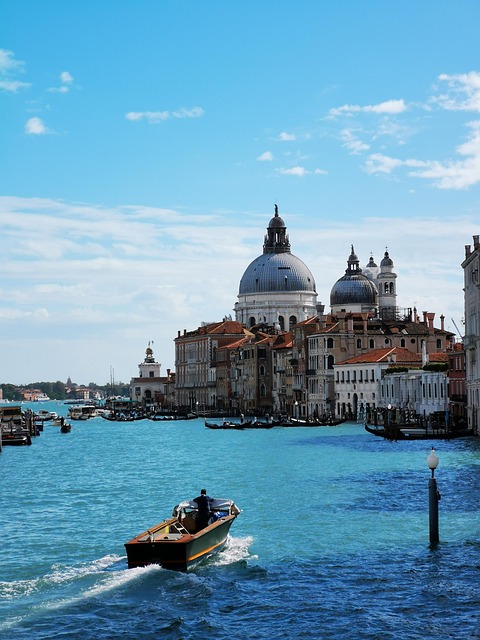
But hold up! Just because the world is getting interconnected doesn’t mean traditions are vanishing. In fact, many communities are embracing their roots with pride. Picture a festival celebrating ancient art forms or a revival of local dialects. This isn’t just nostalgia; it’s a vibrant effort to reclaim identities in a world that often seems homogenized. People are stepping back into the past to rediscover what makes their culture shine. It’s like planting seeds in a garden already filled with exotic plants; the local blooms have their own beauty that deserves to flourish.
So, is globalization flattening our cultural landscape, or is it sparking a renaissance? It seems the answer lies somewhere in the rich tapestry of our shared experiences, as we navigate this paradox together.
The Global Marketplace: Traditional Artisans Struggle to Compete with Mass Production
Let’s break it down. Artisan goods tell a story; they embody centuries of tradition and the unique flair of skilled hands. Yet, when shoppers scroll through endless online options, they’re bombarded with cheap knock-offs available at the click of a button. It’s like choosing between a home-cooked meal and instant ramen—while the latter is convenient and quick, nothing can replicate that personal touch.
Now, let’s talk about the emotional connection we often overlook. Handcrafted art isn’t just about aesthetics; it’s about preserving culture and heritage. When we buy from artisans, we’re not merely purchasing products; we’re investing in stories, in families, and in communities. So why is it so challenging for these talented creators to compete? The answer often lies in economies of scale. Mass production allows companies to keep prices low, while artisans, with their limited resources, struggle to meet the same demand.
What’s more, customers today are swayed by trends, often opting for the latest fad over timeless quality. It’s like choosing a fleeting Instagram filter over a genuine, unedited photograph. As the global marketplace evolves, it’s essential to remember the beauty and value that traditional artisans bring to the table. Fighting against mass production isn’t just a business battle; it’s a cultural one, reminding us all that sometimes, the heart and soul of a product can’t be replicated by machines.
Beyond Borders: How Social Media is Transforming Traditional Cultural Narratives
Think about it: platforms like Instagram and TikTok allow us to peek into lives we’ve never lived. A quick scroll can take you from a colorful marketplace in Marrakech to a cozy café in Paris, all from the comfort of your couch. It’s like having a passport to a thousand different cultures right in your pocket! This whirlwind of information has made cultural narratives more dynamic than ever.
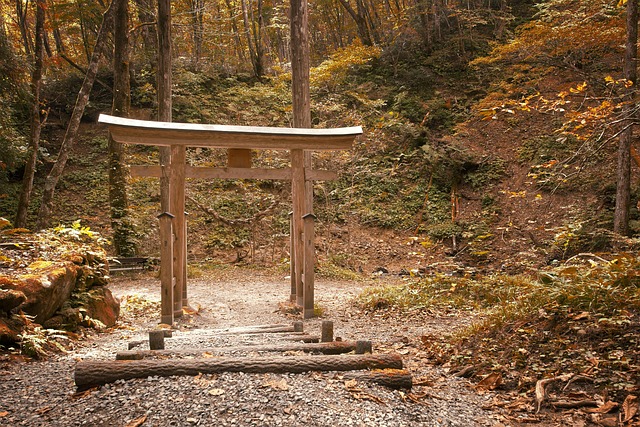
What’s truly fascinating is how social media gives a voice to those who were often silenced. Marginalized groups can now share their stories directly, painting a richer and more nuanced picture of their experiences. It’s like lighting a match in a dark room; suddenly, you see corners of history and culture that were previously shrouded in shadows.
![How Do Different Cultures Celebrate New Year [Global Guide]?](https://travel-tips.net/wp-content/uploads/2025/09/how-do-different-cultures-celebrate-new-year-global-guide-1758919069304-450x255.png "How Do Different Cultures Celebrate New Year [Global Guide]?")

![What Makes Japanese Tea Ceremony So Significant [Cultural Guide]?](https://travel-tips.net/wp-content/uploads/2025/09/what-makes-japanese-tea-ceremony-so-significant-cultural-guide-1758919144390-427x255.jpeg "What Makes Japanese Tea Ceremony So Significant [Cultural Guide]?")