


Traditional storytelling kicks off with oral traditions—think of it as humanity’s first Netflix! Cultures around the world passed down stories through generations, sharing wisdom, morals, and entertainment before the written word came into play. Imagine a time when an elder spins a yarn, their voice weaving vivid images in the minds of eager listeners. This is where the magic began.
As trade routes expanded and different cultures collided, storytelling morphed. It wasn’t just about sharing tales anymore; it became a melting pot of ideas. Think of it like a delicious stew where each ingredient adds its own flavor! For instance, the fables of ancient Greece found their way into Middle Eastern tales, leading to a rich tapestry of narratives that crossed borders.
Fast forward to today, and traditional storytelling has donned a new outfit. We have podcasts, films, and even TikTok videos that echo those ancient narratives. The essence remains the same—engaging the audience—but the medium has changed. Can you picture a storyteller seated in a cozy café, sipping coffee while sharing their latest adventure with a global audience through a podcast? That’s the beauty of evolution!
Now, let’s talk technology! With the rise of digital platforms, stories are more accessible than ever. From online forums sharing indigenous tales to social media spreading folklore worldwide, we’re all part of a grand narrative. Just like a river, traditional storytelling flows continuously, adapting yet still retaining its core essence. Isn’t it fascinating how the tales of our ancestors live on in different forms, reminding us that we all share a common thread in this tapestry of life?
From Campfires to Screens: The Global Evolution of Traditional Storytelling
Think about it: centuries ago, communities gathered to share legends, fables, and folklore. Those storytelling sessions were like a warm hug, bringing people closer. They weren’t just passing time; they were teaching morals, preserving history, and weaving a fabric of culture. Fast forward to now, and we have podcasts, movies, and social media taking that tradition to new heights. How cool is it that you can listen to a gripping story while commuting or watch an epic saga unfold on your smartphone?
But let’s not kid ourselves—there’s something magical about that in-person connection. When you share a story face-to-face, you catch those sparkles of excitement, the gasp in the crowd, and the laughter that echoes. Yet, the digital age has made storytelling more accessible than ever. Now, you can share your unique tale with someone halfway around the world. Isn’t it wild how a single click can transport you from your living room to an entirely different universe?
And here’s a thought: has storytelling really changed, or has it simply evolved? Whether it’s the age-old tradition around a campfire or a video going viral, the human experience remains at its core—everyone craves connection, understanding, and a good old-fashioned story to bond over. So, next time you tune into a podcast or scroll through your feed, remember that you’re part of a profound legacy, a captivating tapestry woven through time.
Once Upon a Time—Now and Then: Tracing the Cultural Journey of Storytelling
So, what’s the magic behind this timeless tradition? Think of storytelling as the thread that connects generations, holding together the fabric of culture. In ancient times, stories served practical purposes: sharing knowledge, teaching morals, and preserving history. Just like how a map leads you through uncharted territories, these narratives guided communities, helping them navigate life’s complexities. Fast forward a few centuries, and we see how the written word began to reshape storytelling. The invention of printing opened floodgates of creativity, allowing stories to reach beyond local fire pits to drawing rooms, libraries, and eventually, the worldwide web.
Today, we don’t just tell stories; we share experiences through a kaleidoscope of mediums—from books and films to TikToks and video games. Have you ever watched a movie that made you cry or a YouTube video that left you in stitches? That’s storytelling in action! It captivates us and challenges our perspectives, much like a powerful mirror reflecting the world around us.
But here’s a fun thought: as we navigate our busy lives filled with technology, could we be losing the art of face-to-face storytelling? The charm of exchanging tales with friends over coffee is unmatched. It’s a dance—simple yet complex, spontaneous yet structured, and incredibly enriching. So, as we trace this cultural journey of storytelling, it’s clear: while the mediums may shift, the desire to connect through stories is carved into our very DNA.
Tales Through Time: How Different Cultures Shape Narrative Traditions

Then, there’s East Asian storytelling, where the harmony between nature and humanity plays a huge role. From the classic tales of the Chinese Zodiac to the serene folktales of Japan, these narratives often come with a touch of wisdom, reminding us of our place in the world. Isn’t it fascinating how each culture seems to dance to its own beat, yet they all twirl around the universal themes of love, fear, and hope?
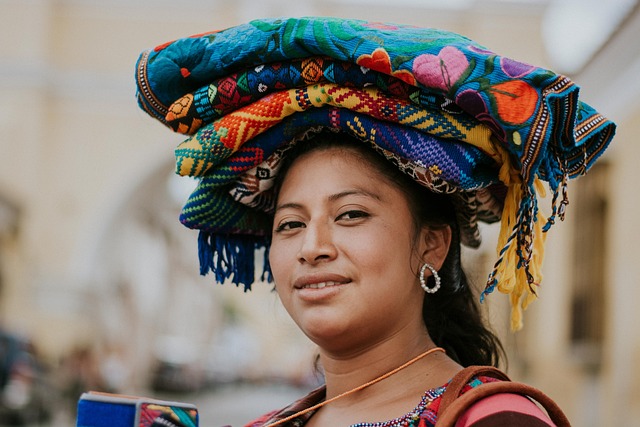
And let’s not forget about the vibrant Latin American narratives—those colorful stories bursting with magical realism, where the line between reality and the fantastical blurs. They illustrate the power of belief, much like how a child sees the world through their imaginative lens. Isn’t it incredible how, through time, stories transform yet retain the heartbeat of their origins?
Deconstructing Myths: The Transformative Power of Storytelling Across Continents
Have you ever thought about how a simple story can morph into something profound? It’s like magic! A tale told in a small village in Peru can echo the same emotions felt by someone in a large city like New York. Both listeners, though worlds apart, find a common thread of humanity woven through narratives of love, loss, and growth.
Each tale, from the ancient myths of Greece to the contemporary fables of Asian folklore, serves as a mirror reflecting the values and beliefs of its culture. But there’s more to it—they’re a collective experience, a rite of passage that binds generations together. As these stories travel, they evolve. Like a game of telephone, each retelling adds flavor, adapting to new cultures while still retaining that core message.
Voices of the Ancients: The Resilience of Traditional Tales in Modern Times
Ever wonder why these ancient narratives still resonate today? It’s simple—at their core, they tackle human emotions and experiences that are timeless. Love, loss, adventure, and triumph—themes woven into the fabric of our lives, regardless of the era. Picture them like a well-worn quilt, stitched with the threads of various cultures, each patch sharing its own vibrant history.
In our fast-paced world filled with technology and instant gratification, the charm of these tales is like a gentle anchor. They remind us of our roots, bringing us back to simpler times when storytelling meant gathering around the fire, captivated by the flicker of shadows and the depth of imagination. There’s something profoundly comforting about knowing that these voices of the ancients still echo in our hearts, shaping our values and beliefs.
Thanks to the power of books, podcasts, and even social media, traditional tales are being revived and reimagined. They’re not relics of the past; they’re vibrant and alive, adapting to modern sensibilities while still echoing ancestral wisdom. Think of them as a classic song that gets a fresh remix—familiar yet exciting, resonating with audiences both young and old.
So, whether it’s a bedtime story for your kids or a gripping tale shared among friends, these narratives play a vital role in our lives. They are the threads that weave us together, connecting us to ancient wisdom while guiding us through the complexities of today’s world.
![How Do Different Cultures Celebrate New Year [Global Guide]?](https://travel-tips.net/wp-content/uploads/2025/09/how-do-different-cultures-celebrate-new-year-global-guide-1758919069304-450x255.png "How Do Different Cultures Celebrate New Year [Global Guide]?")

![What Makes Japanese Tea Ceremony So Significant [Cultural Guide]?](https://travel-tips.net/wp-content/uploads/2025/09/what-makes-japanese-tea-ceremony-so-significant-cultural-guide-1758919144390-427x255.jpeg "What Makes Japanese Tea Ceremony So Significant [Cultural Guide]?")